Buy seo24.eu ?
We are moving the project
seo24.eu .
Are you interested in purchasing the domain
seo24.eu ?
domain@kv-gmbh.de · 0541-91531010
Buy seo24.eu ?
What are orchestral arrangements?
Orchestral arrangements refer to the musical composition and organization of a piece of music for an orchestra. This involves determining which instruments will play which parts, as well as the overall structure and dynamics of the piece. Orchestral arrangements can involve adapting a piece of music originally written for a different ensemble or creating a new arrangement of an existing composition. The goal of orchestral arrangements is to showcase the unique timbres and capabilities of the various instruments in the orchestra while creating a cohesive and expressive musical performance. **
What is an orchestral musician?
An orchestral musician is a professional musician who plays a musical instrument as part of an orchestra. They are highly skilled in their instrument and are able to perform a wide range of musical styles and genres. Orchestral musicians work together with other musicians in the orchestra to create a cohesive and harmonious sound, following the direction of a conductor. They often perform in concert halls, theaters, and other venues, bringing music to audiences around the world. **

Similar search terms for Orchestral
Top-Angebote
Products related to Orchestral:
-
GlowBake Advanced Skin Tester, Face Skin Moisture & Oil Content Analyzer Advanced Skin Tester, Face Skin Moisture & Oil Content AnalyzerDiscover your skins true condition with our advanced Skin Tester a compact yet powerful face skin analyzer designed to measure moisture, oil content, skin water, cheek elastic quality, and even estimate skin age in seconds. Ideal for home use or pro...27,97 $*Shipping: 0,00 $Secure redirect to the provider
-
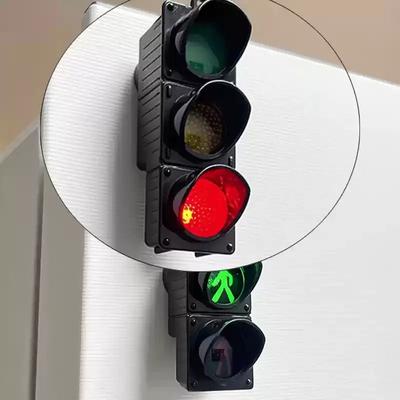
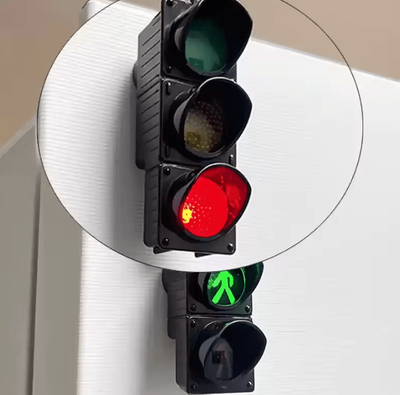
Uplifted Finds Traffic Light Magnetic Refrigerator Sticker & Creative Toy traffic LightAdd a playful, urban touch to your kitchen or workspace with our New Traffic Light Magnetic Refrigerator Sticker. Engineered with creative traffic toy styling featuring pedestrian and signal lights, this charming magnetic accessory combines fun...34,97 $*Shipping: 0,00 $Secure redirect to the provider
-
Inspire Curations Mini Traffic Light Magnetic Refrigerator Magnet Decoration traffic LightBring a playful street scene to your home with this traffic light refrigerator magnet. Designed to resemble a real pedestrian traffic signal, this creative magnet adds personality to refrigerators, lockers, whiteboards, and other magnetic surfaces....50,50 $*Shipping: 0,00 $Secure redirect to the provider
-
Uplift Picks Traffic Light And Pedestrian Signal Refrigerator Magnet traffic LightGive your space a playful cityinspired accent with this traffic light refrigerator magnet. Designed like a miniature traffic signal or pedestrian light, it brings character to refrigerators, lockers, cabinets, and magnetic whiteboards. The compact...50,00 $*Shipping: 0,00 $Secure redirect to the provider


-
What are orchestral cyclic large forms?
Orchestral cyclic large forms are musical compositions that consist of multiple movements or sections that are thematically related and interconnected. These forms often feature recurring motifs or themes that unify the different parts of the composition. The cyclic nature of these forms allows for a sense of cohesion and continuity throughout the entire piece. Examples of orchestral cyclic large forms include symphonies, concertos, and tone poems. **
-
How can one compose virtual orchestral music?
To compose virtual orchestral music, one can start by choosing a digital audio workstation (DAW) software that supports orchestral sample libraries. Next, select high-quality orchestral sample libraries that include a variety of instruments such as strings, brass, woodwinds, and percussion. Then, familiarize oneself with the different articulations and techniques available for each instrument to create realistic and expressive performances. Finally, arrange the orchestral parts, paying attention to dynamics, phrasing, and balance to achieve a cohesive and emotive composition. **
-
How can one compose orchestral digital music?
To compose orchestral digital music, one can start by selecting a digital audio workstation (DAW) software that supports orchestral sounds and instruments. Next, they can choose high-quality orchestral sample libraries or virtual instruments to create realistic orchestral sounds. It is important to have a good understanding of orchestration and music theory to effectively arrange the different instruments in the composition. Experimenting with different combinations of instruments, melodies, harmonies, and rhythms can help in creating a dynamic and engaging orchestral piece. **
-
What is the orchestral instrumentation in classical music?
Orchestral instrumentation in classical music typically includes four main families of instruments: strings (violins, violas, cellos, double basses), woodwinds (flutes, oboes, clarinets, bassoons), brass (trumpets, French horns, trombones, tuba), and percussion (timpani, snare drum, cymbals). Each family of instruments plays a unique role in creating the rich and diverse sound of the orchestra. The combination of these instruments allows composers to create a wide range of textures and dynamics in their compositions, making orchestral music one of the most versatile and expressive forms of music. **

What is the orchestral lineup in classical music?
The orchestral lineup in classical music typically consists of four main sections: strings, woodwinds, brass, and percussion. Each section is made up of various instruments, with the strings section including instruments such as violins, violas, cellos, and double basses; the woodwinds section including instruments like flutes, clarinets, oboes, and bassoons; the brass section including instruments like trumpets, trombones, French horns, and tubas; and the percussion section including instruments like timpani, snare drums, cymbals, and xylophones. Additionally, some orchestras may also include other instruments such as harps, keyboards, and additional percussion instruments. **
Can you please give a presentation about orchestral instruments?
Orchestral instruments are divided into four main families: strings, woodwinds, brass, and percussion. String instruments include the violin, viola, cello, and double bass, which produce sound by vibrating strings. Woodwind instruments, such as the flute, clarinet, and oboe, create sound by blowing air through a mouthpiece. Brass instruments like the trumpet, trombone, and French horn produce sound by buzzing lips into a mouthpiece. Percussion instruments, including the timpani, snare drum, and cymbals, produce sound by being struck or shaken. Each family of instruments plays a unique role in an orchestra, coming together to create a harmonious and dynamic musical experience. **
Top-Angebote
Products related to Orchestral:
-
Rockburn RockJam Adjustable Orchestral Sheet Music StandThe deluxe orchsetral sheet music stand is a high quality, robust and sturdy stand fit for all purposes and playing positions. It features a large 475mm x 345mm book plate which can be angled, while its strurdy tripod base offers a confident stance wherever placed. Large 475mm x 345mm book plate with fully adjustable angle. Matt black finsh. Fully adjustable from 940mm to 1420mm (from floor to top). Model g905. Batteries (not included). Suitable for suitable for all sheet music. Size H61.5, W36.5, D12.5cm....38,49 £*Shipping: 0,00 £Secure redirect to the provider
-
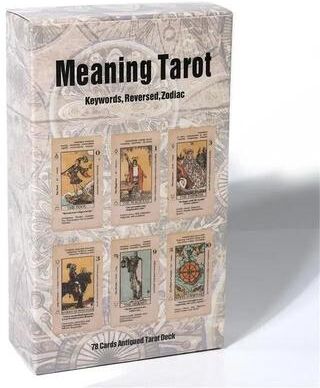
Uplifted Finds Beginner Tarot Deck With Keywords & Meanings Antiqued Learning Tarot 78 Card Set Beginner Tarot Deck With Keywords & Meanings Antiqued Learning Tarot 78 Card SetCommand ultimate spiritual confidence with the Beginner Learning Tarot System, a highperformance metaphysical solution specifically engineered to act as a comprehensive tool for elite organization and superior technical ergonomics. Built with a...44,97 $*Shipping: 0,00 $Secure redirect to the provider
-
GlowBake Advanced Skin Tester, Face Skin Moisture & Oil Content Analyzer Advanced Skin Tester, Face Skin Moisture & Oil Content AnalyzerDiscover your skins true condition with our advanced Skin Tester a compact yet powerful face skin analyzer designed to measure moisture, oil content, skin water, cheek elastic quality, and even estimate skin age in seconds. Ideal for home use or pro...27,97 $*Shipping: 0,00 $Secure redirect to the provider
-
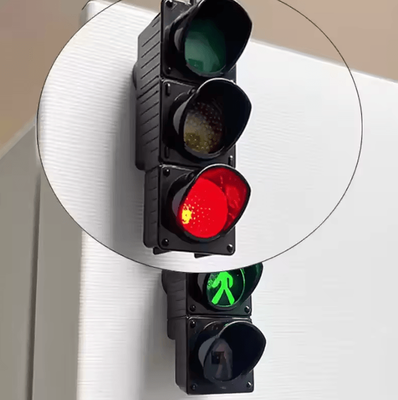
Uplifted Finds Traffic Light Magnetic Refrigerator Sticker & Creative Toy traffic LightAdd a playful, urban touch to your kitchen or workspace with our New Traffic Light Magnetic Refrigerator Sticker. Engineered with creative traffic toy styling featuring pedestrian and signal lights, this charming magnetic accessory combines fun...34,97 $*Shipping: 0,00 $Secure redirect to the provider
-
What are orchestral arrangements?
Orchestral arrangements refer to the musical composition and organization of a piece of music for an orchestra. This involves determining which instruments will play which parts, as well as the overall structure and dynamics of the piece. Orchestral arrangements can involve adapting a piece of music originally written for a different ensemble or creating a new arrangement of an existing composition. The goal of orchestral arrangements is to showcase the unique timbres and capabilities of the various instruments in the orchestra while creating a cohesive and expressive musical performance. **
-
What is an orchestral musician?
An orchestral musician is a professional musician who plays a musical instrument as part of an orchestra. They are highly skilled in their instrument and are able to perform a wide range of musical styles and genres. Orchestral musicians work together with other musicians in the orchestra to create a cohesive and harmonious sound, following the direction of a conductor. They often perform in concert halls, theaters, and other venues, bringing music to audiences around the world. **
-
What are orchestral cyclic large forms?
Orchestral cyclic large forms are musical compositions that consist of multiple movements or sections that are thematically related and interconnected. These forms often feature recurring motifs or themes that unify the different parts of the composition. The cyclic nature of these forms allows for a sense of cohesion and continuity throughout the entire piece. Examples of orchestral cyclic large forms include symphonies, concertos, and tone poems. **
-
How can one compose virtual orchestral music?
To compose virtual orchestral music, one can start by choosing a digital audio workstation (DAW) software that supports orchestral sample libraries. Next, select high-quality orchestral sample libraries that include a variety of instruments such as strings, brass, woodwinds, and percussion. Then, familiarize oneself with the different articulations and techniques available for each instrument to create realistic and expressive performances. Finally, arrange the orchestral parts, paying attention to dynamics, phrasing, and balance to achieve a cohesive and emotive composition. **
Similar search terms for Orchestral
-
Inspire Curations Mini Traffic Light Magnetic Refrigerator Magnet Decoration traffic LightBring a playful street scene to your home with this traffic light refrigerator magnet. Designed to resemble a real pedestrian traffic signal, this creative magnet adds personality to refrigerators, lockers, whiteboards, and other magnetic surfaces....50,50 $*Shipping: 0,00 $Secure redirect to the provider
-
Uplift Picks Traffic Light And Pedestrian Signal Refrigerator Magnet traffic LightGive your space a playful cityinspired accent with this traffic light refrigerator magnet. Designed like a miniature traffic signal or pedestrian light, it brings character to refrigerators, lockers, cabinets, and magnetic whiteboards. The compact...50,00 $*Shipping: 0,00 $Secure redirect to the provider
-
Inspire Curations Traffic Light Magnetic Fridge Magnet Decorative Toy traffic LightBring a playful touch to your kitchen or workspace with this traffic light fridge magnet inspired by real pedestrian crossing signals. Designed with colorful traffic light details and a strong magnetic backing, it's a fun decoration that also helps...50,00 $*Shipping: 0,00 $Secure redirect to the provider
-
Rotolight VideoVlogging RL48 LED Ring Light Kit for Content CreatorsRotolight VideoVlogging RL48 LED Ring Light Kit – For Content Creators The Rotolight VideoVlogging RL48 LED Ring Light Kit is designed to deliver professional-quality lighting for content creators, vloggers, and photographers. It provides soft, even illumination that enhances facial features, reduces shadows, and improves overall video and photo quality. Compact and easy to use, the RL48 is ideal for streaming, makeup tutorials, video calls, and social media content creation. Its lightweight design makes it highly portable, allowing you to set up professional lighting anywhere, whether at home or on the go.16,99 £*Shipping: 0,00 £Secure redirect to the provider
-
How can one compose orchestral digital music?
To compose orchestral digital music, one can start by selecting a digital audio workstation (DAW) software that supports orchestral sounds and instruments. Next, they can choose high-quality orchestral sample libraries or virtual instruments to create realistic orchestral sounds. It is important to have a good understanding of orchestration and music theory to effectively arrange the different instruments in the composition. Experimenting with different combinations of instruments, melodies, harmonies, and rhythms can help in creating a dynamic and engaging orchestral piece. **
-
What is the orchestral instrumentation in classical music?
Orchestral instrumentation in classical music typically includes four main families of instruments: strings (violins, violas, cellos, double basses), woodwinds (flutes, oboes, clarinets, bassoons), brass (trumpets, French horns, trombones, tuba), and percussion (timpani, snare drum, cymbals). Each family of instruments plays a unique role in creating the rich and diverse sound of the orchestra. The combination of these instruments allows composers to create a wide range of textures and dynamics in their compositions, making orchestral music one of the most versatile and expressive forms of music. **
-
What is the orchestral lineup in classical music?
The orchestral lineup in classical music typically consists of four main sections: strings, woodwinds, brass, and percussion. Each section is made up of various instruments, with the strings section including instruments such as violins, violas, cellos, and double basses; the woodwinds section including instruments like flutes, clarinets, oboes, and bassoons; the brass section including instruments like trumpets, trombones, French horns, and tubas; and the percussion section including instruments like timpani, snare drums, cymbals, and xylophones. Additionally, some orchestras may also include other instruments such as harps, keyboards, and additional percussion instruments. **
-
Can you please give a presentation about orchestral instruments?
Orchestral instruments are divided into four main families: strings, woodwinds, brass, and percussion. String instruments include the violin, viola, cello, and double bass, which produce sound by vibrating strings. Woodwind instruments, such as the flute, clarinet, and oboe, create sound by blowing air through a mouthpiece. Brass instruments like the trumpet, trombone, and French horn produce sound by buzzing lips into a mouthpiece. Percussion instruments, including the timpani, snare drum, and cymbals, produce sound by being struck or shaken. Each family of instruments plays a unique role in an orchestra, coming together to create a harmonious and dynamic musical experience. **
* All prices are inclusive of VAT and, if applicable, plus shipping costs. The offer information is based on the details provided by the respective shop and is updated through automated processes. Real-time updates do not occur, so deviations can occur in individual cases. ** Note: Parts of this content were created by AI.